Hounslow council rules for garden waste and gardeners in Feltham
If you garden in Feltham, the rules around green waste can feel simple at first, then oddly fiddly once you are standing there with a pile of cuttings, hedge trimmings, and a half-full sack of moss. Hounslow council rules for garden waste and gardeners in Feltham matter because the difference between tidy and non-compliant is often in the details: what counts as garden waste, how it should be stored, who is responsible for removal, and whether a gardener leaves the site cleaner than they found it. This guide breaks it down in plain English, with practical advice for homeowners, landlords, and local gardeners who want to do things properly without turning a normal garden job into a headache.
In other words: less confusion, fewer repeat visits, and a much better chance of keeping the garden, the neighbours, and the paperwork happy. Let's face it, nobody wants a bin-side mess in the rain at the end of a job.
Table of Contents
- Why Hounslow council rules for garden waste and gardeners in Feltham Matters
- How Hounslow council rules for garden waste and gardeners in Feltham Works
- Key Benefits and Practical Advantages
- Who This Is For and When It Makes Sense
- Step-by-Step Guidance
- Expert Tips for Better Results
- Common Mistakes to Avoid
- Tools, Resources and Recommendations
- Law, Compliance, Standards, or Best Practice
- Options, Methods, or Comparison Table
- Case Study or Real-World Example
- Practical Checklist
- Conclusion
- Frequently Asked Questions
Why Hounslow council rules for garden waste and gardeners in Feltham Matters
Garden waste is not just "stuff from the garden". That sounds obvious, but it is where many problems start. Grass cuttings, hedge trimmings, leaves, small branches, weeds, and spent plants are usually treated very differently from general rubbish. Once a gardener begins clearing a border, cutting back a hedge, or doing a full seasonal tidy-up, the waste produced has to be handled with care and common sense.
For Feltham residents, the local context matters because garden work is often done in compact spaces: shared driveways, narrow side access, terraced properties, and front gardens with little room to stack waste safely. A bag left too long, or a heap pushed near a neighbour's boundary, can create friction quickly. You will notice this especially after wet weather, when cuttings become heavy, muddy, and harder to move. A simple job can suddenly become messy, literally.
For gardeners, the rules matter for another reason: professionalism. A good gardener does not just cut, trim, or clear. They think ahead. They separate waste sensibly, avoid contamination, and leave the site in a condition that supports proper disposal or composting. That is one of the clearest signs of a reliable service.
If your work includes bigger clearances, it may also help to look at garden clearance support in Feltham or ongoing garden maintenance services, especially where waste builds up over time rather than in one-off bursts.
How Hounslow council rules for garden waste and gardeners in Feltham Works
There are two parts to understand: the council side and the practical gardening side. The council side usually concerns what is accepted in garden waste streams, how it should be prepared, and what should never go into it. The gardening side is about what a contractor should do on site to keep everything clean, safe, and easy to dispose of.
In plain terms, garden waste is generally the organic material created by maintaining outdoor spaces. That can include grass clippings, leaves, weeds, prunings, twigs, and small branches. It may also include soil on a limited basis if it is part of routine garden work, though excessive soil, stones, rubble, plastic pots, old fencing, treated timber, or broken ornaments are not garden waste in the normal sense. Those items need different handling.
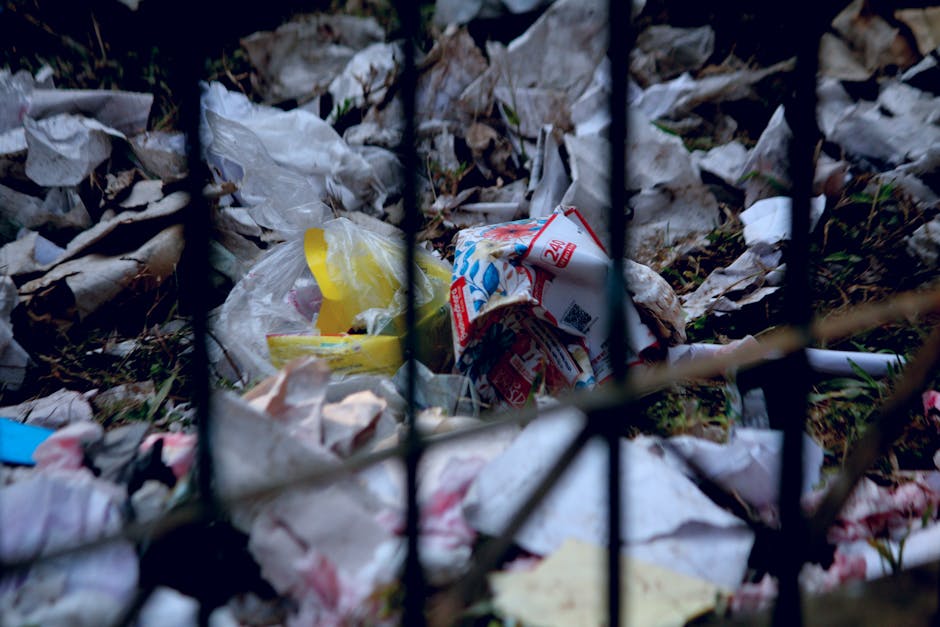
Another key point is contamination. A bag full of grass cuttings mixed with broken plastic ties, food waste, old compost bags, and bits of household rubbish is no longer straightforward to process. It may be rejected, or it may cost more to remove because it has to be sorted later. Truth be told, this is one of those boring admin points that saves real money.
For gardeners in Feltham, the workflow normally looks like this:
- Assess the job and identify the types of waste likely to be produced.
- Separate green waste from general waste as early as possible.
- Bag, stack, or load waste in a way that keeps access routes safe.
- Keep heavier material, such as branches and wet grass, apart from lightweight trimmings where practical.
- Arrange suitable removal, recycling, or disposal.
If the job involves larger amounts of cuttings, trunks, or heavily overgrown areas, a specialist approach may be needed. In those cases, tree lopping and removal or a broader landscaping service may be more appropriate than a standard tidy-up.
Key Benefits and Practical Advantages
Following the correct approach to garden waste is not just about avoiding trouble. It creates cleaner work, better presentation, and fewer surprises on the day.
- Cleaner finishes: A tidy clearance looks more professional and makes the whole garden easier to enjoy afterwards.
- Less cross-contamination: Separating green waste from mixed rubbish helps with recycling and processing.
- Safer access: Properly managed waste reduces trip hazards, blocked paths, and awkward lifting.
- Better value: Waste that is sorted correctly is usually easier and cheaper to handle than a mixed load.
- Fewer neighbour issues: Nothing creates tension like cuttings blowing into next door's driveway on a breezy afternoon.
- More consistent service: Gardeners can plan jobs better when waste handling is factored in from the start.
There is also a sustainability angle. A lot of garden waste can be composted or recycled in some form, provided it is not contaminated. If sustainability matters to you, it is worth looking at the company's wider approach to recycling and sustainability. That is often a good sign that waste is treated as a resource rather than just a disposal problem.
Expert summary: The best results come from treating garden waste as part of the job, not an afterthought. Sort early, keep it clean, and plan removal before you start cutting.
Who This Is For and When It Makes Sense
This topic matters to a fairly wide group of people in Feltham and the wider Hounslow area.
Homeowners need it when hedges grow faster than expected, lawns are cut back after a long dry spell, or a garden has been left untended for a while. One Saturday morning and the bins are full before lunch. Happens all the time.
Landlords and letting agents need it because tenant move-outs often reveal gardens that have drifted into overgrowth. Waste handling affects how quickly a property can be re-let and how presentable it looks for viewings.
Gardeners and local tradespeople need it because customers expect a clean, compliant finish. Nobody pays for "half a tidy-up" and then wants to argue about what should have happened to the cuttings.
Older residents and busy households often need help because waste sacks are heavy, and not everyone wants to drag wet hedge trimmings through the side gate. Fair enough.
People doing a larger outdoor refresh may also need related work such as lawn mowing, hedge trimming, or broader services overview options that combine maintenance with waste removal.
Step-by-Step Guidance
If you want a sensible, low-stress way to deal with garden waste in Feltham, use this simple sequence.
1. Identify the waste before you cut
Walk the garden first. Look for prunings, old compost, fallen branches, ivy, weeds, and any hidden mixed rubbish. This step sounds small, but it stops problems later.
2. Separate green waste from non-green waste
Keep organic material apart from plastics, pots, metals, treated wood, and broken household items. If it does not decompose naturally, treat it as something else.
3. Reduce volume where safe
Shred, cut down, or bundle waste where practical. Smaller volumes are easier to move and often easier to manage on collection day. Wet grass and thick hedge clippings can be deceptively heavy, so do not overfill bags.
4. Protect paths and access points
Lay bags or piles where they will not block doors, drains, or shared walkways. In Feltham's tighter gardens, access planning matters more than people expect. A few extra minutes here saves a lot of shuffling later.
5. Decide whether it is compost, remove, or recycle
Some waste can be composted on site if space allows. More awkward material may need off-site disposal. A good gardener will know which is which without turning it into a lecture.
6. Finish with a sweep-through
Check for small bits of debris, loose leaves, and broken stems. This is where a job goes from "done" to "properly done".
If you are arranging a one-off clearance, ask whether the work is best handled alongside garden clearance or whether it should sit within ongoing maintenance. Different jobs need different pacing, and that matters.
Expert Tips for Better Results
Small adjustments make a big difference here.
- Plan for the weather: Wet cuttings are heavier and messier. If the forecast is poor, allow extra time and sturdier bags.
- Don't wait for a "perfect" tidy: A half-hour of sorting before you begin is often better than trying to separate a mixed pile at the end.
- Use the right cutting rhythm: Regular light work creates less waste than letting everything become a jungle. No surprise there, really.
- Keep branches and soft green waste apart: It makes loading and transport easier, and the whole pile behaves better.
- Factor in safety: Long brambles, awkward branches, and hidden debris can all cause cuts or slips.
- Think about the next visit: If a garden needs recurring work, tidy waste handling should be part of the maintenance plan, not something improvised each time.
For contractors, it also helps to use clear job notes and keep a simple routine. A reliable team tends to handle the same type of waste the same way every time. That consistency is reassuring for customers and easier to scale.
And yes, sometimes the bin lids will not close because the hedge was more enthusiastic than expected. Happens. Plan around that.
Common Mistakes to Avoid
The mistakes below are the ones that cause the most avoidable stress.
- Mixing everything together: Green waste, household junk, and building debris should not be treated as one load.
- Overfilling bags: Heavy, damp bags split easily and are awkward to carry.
- Blocking access routes: A pile in the wrong place can slow the job and create a hazard.
- Leaving waste in the garden too long: This can smell, attract pests, or simply become more work later.
- Ignoring hidden waste: Old pots, wire, and broken stakes often show up only after the first cut.
- Assuming all gardeners handle waste the same way: They do not. Ask how it will be dealt with before the job starts.
One practical point: if a gardener promises "everything included" but cannot explain what happens to the waste, that is worth questioning. Not aggressively. Just enough to understand the process.
Tools, Resources and Recommendations
You do not need a van full of specialist kit to manage garden waste properly, but a few basics help a lot.
| Item | Why it helps | Best use |
|---|---|---|
| Heavy-duty garden sacks | They handle grass, leaves, and light prunings better than thin bags | Routine maintenance and smaller clearances |
| Rake and broom | Useful for collecting finer debris after cutting | Lawn edges, patios, and paths |
| Secateurs or loppers | Reduce oversized branches before stacking or removal | Pruning and hedge work |
| Tarp or sheet | Makes carrying waste cleaner and faster | Bulk loading in tighter gardens |
| Gloves and sturdy footwear | Protects against cuts, thorns, and slipping | Any outdoor clearance job |
As a service provider, it helps to pair the right tools with the right service. For example, a garden that needs repeated mowing and edging may suit a dedicated lawn mowing service alongside seasonal waste removal. If the space is being redesigned or improved, a wider landscape gardening approach may be more effective than piecemeal work.
It is also sensible to review company policies where relevant. If you want reassurance on handling, site conduct, and customer care, supporting pages such as health and safety policy, insurance and safety, and terms and conditions can give useful context before you book.
Law, Compliance, Standards, or Best Practice
When people ask about council rules, they often want a simple yes-or-no answer. The real answer is a bit more careful. In the UK, garden waste handling sits inside a mix of council arrangements, environmental expectations, property responsibilities, and ordinary common sense. That is especially true for commercial gardeners, who need to work in a way that avoids contamination, nuisance, and unsafe handling.
Best practice usually means:
- keeping green waste separate from general rubbish;
- avoiding illegal dumping or fly-tipping, even by accident;
- storing waste safely until collection or transport;
- ensuring loads are secure so nothing falls out in transit;
- using suitable disposal or recycling routes for non-green materials;
- being clear with customers about what is included in the service.
For domestic customers, the practical duty is to make sure waste is dealt with responsibly. For gardeners, the duty is stronger: they should understand what they are removing, how it is being loaded, and whether anything needs special treatment. If a job includes tree work, substantial cutting back, or access risk, safety and competence matter just as much as disposal. That is why a well-run service will be open about process rather than vague.
If you are unsure whether a task is standard maintenance or a heavier clearance job, ask early. It avoids awkward surprises and helps the work stay compliant in a practical sense, which is what most people really want.
Options, Methods, or Comparison Table
There is more than one way to deal with garden waste in Feltham. The right method depends on volume, time, access, and how tidy you want the result to be.
| Method | Best for | Pros | Watch out for |
|---|---|---|---|
| On-site composting | Light, organic waste | Low cost, sustainable, convenient | Needs space and patience |
| Bagged removal | Routine garden jobs | Simple and controllable | Bags can be heavy and split |
| Dedicated clearance | Overgrown or neglected gardens | Fast, thorough, less stress | Usually higher cost than basic maintenance |
| Mixed-site tidy-up | Jobs with both green waste and debris | Practical for move-outs or refurbishments | Requires clearer sorting and planning |
In practice, a lot of Feltham jobs land somewhere between routine maintenance and one-off clearance. A small front garden may only need a mow, a prune, and one bag of trimmings. A back garden after a winter layoff might need a stronger hand, a bit of patience, and a proper haul-away plan. No drama, just reality.
For wider outdoor upgrades, services like decking services and overall garden services can also influence waste volume and disposal planning, especially during improvement work.
Case Study or Real-World Example
Here is a realistic scenario from a typical Feltham garden. A semi-detached property has a lawn that has grown patchy, a hedge along the side fence that is spilling over, and two beds full of old stems, leaf litter, and a few forgotten pots. Nothing dramatic. Just the sort of garden that slowly gets ahead of you when life is busy.
The owner wants the space ready for weekend use and asks for help. The first step is a quick walk-through to identify what is green waste and what is not. The hedge trimmings and lawn cuttings are straightforward. The old pots, a broken cane, and some packaging hidden in the border are not.
The gardener clears the lawn, trims the hedge, and gathers waste in separate piles. Soft material goes into bags. Thicker branches are bundled. The mixed debris is isolated so it does not contaminate the green waste. By the end of the visit, the patio has been swept, the side return is open again, and the garden feels usable rather than just "done".
The important part is not the size of the job. It is the discipline behind it. The work goes faster because the waste is managed as the job progresses, not dealt with in a last-minute scramble while everyone is tired and the bags are multiplying.
Practical Checklist
Use this before or during any garden waste job in Feltham:
- Have I identified all green waste, mixed waste, and anything that needs special handling?
- Are garden bags, tarps, or bins ready before cutting starts?
- Is access clear for carrying waste out safely?
- Have I kept branches, soft clippings, and non-organic items separate?
- Is the work more like routine maintenance or a larger clearance?
- Has the customer been told what will happen to the waste?
- Are there safety risks such as thorns, hidden debris, or slippery ground?
- Will the finished area be swept and checked before leaving?
- Is there a plan for recycling, composting, or removal?
- Have I reviewed relevant policies or service terms if this is a booked job?
Quick takeaway: sort early, lift safely, and do not leave the waste question until the end. That one habit alone prevents a surprising amount of friction.
For readers comparing service quality, useful supporting pages include pricing and quotes if you want to understand how work is usually assessed, and contact us if you need to discuss a specific garden situation before booking.
Conclusion
Hounslow council rules for garden waste and gardeners in Feltham are really about doing ordinary garden work properly. Keep green waste separate, handle it safely, avoid contamination, and choose the right disposal method for the job in front of you. That is the backbone of a clean, reliable service and a much less stressful experience for everyone involved.
Whether you are tidying a small lawn, clearing a hedge, or sorting out an overgrown garden that has got a bit away from you, the same principle applies: plan the waste first, and the rest of the job becomes simpler. It is not glamorous. But it works.
If you want help with a tidy, compliant, and practical garden service in Feltham, start by reviewing the options that suit your space and your schedule. A bit of clear planning now can save a whole afternoon later, and probably a sore back too.
Get a free quote today and see how much you can save.
Frequently Asked Questions
What counts as garden waste in Feltham?
Garden waste usually includes grass cuttings, hedge trimmings, leaves, weeds, small branches, and other organic material from normal garden maintenance. It does not usually include plastics, rubble, treated wood, or household rubbish.
Can a gardener mix green waste with general rubbish?
They should not. Mixed waste is harder to process, more likely to cause disposal issues, and can increase costs. A proper gardener separates waste as part of the job.
Do Hounslow council rules affect small home gardening jobs?
Yes, in a practical sense. Even small jobs benefit from the same careful approach: separate green waste, store it safely, and avoid mixing it with non-garden items.
What should I do with large hedge cuttings?
Bundle them neatly, reduce their size where safe, and make sure they are handled as green waste. If the volume is large, a clearance service may be more suitable than a standard mow-and-tidy visit.
Is composting better than removal?
It depends on the garden and the amount of waste. Composting is often great for light, clean organic waste, but it needs space and patience. For bigger jobs, removal is usually more practical.
How do I know if my garden needs clearance or maintenance?
If the garden is generally under control but needs regular cutting, trimming, or tidying, maintenance is usually enough. If it has become overgrown, blocked, or neglected, clearance makes more sense.
What happens if garden waste is contaminated?
Contaminated waste can be harder to recycle or process. It may need sorting, separate disposal, or an alternative route. That is why keeping plastic, stones, and general rubbish out of the green pile matters.
Do gardeners need special insurance for waste removal?
It is sensible that they do. Any professional handling garden waste should be clear about safety and insurance arrangements, especially if the work involves lifting, cutting, or access risks.
Can wet grass and leaves go in the same bag?
Yes, but the bag can become heavy fast. Wet waste is awkward, slippery, and more likely to split a weak bag. Use sturdier sacks and avoid overfilling.
How can I keep costs down on garden waste work?
Sort waste early, keep mixed rubbish out of the pile, and avoid letting a garden get so overgrown that the job becomes a full clearance. Regular maintenance is usually cheaper than a big rescue job.
Should I ask a gardener how they dispose of waste?
Absolutely. It is a fair question. A professional should be able to explain whether waste is composted, recycled, removed, or handled in another appropriate way.
Where can I find more information about service standards and customer care?
Supporting pages such as the company's about us, health and safety policy, and recycling and sustainability pages are useful places to start if you want a better sense of how work is handled.